At the Spring

Ein Lavan has a shallow upper pool and a deep lower pool. I slipped on the scum on the floor of the upper pool and fell hard on my thigh. I jumped from a terrace wall and crashed into the lower pool.
(Continue reading “At the Spring”)
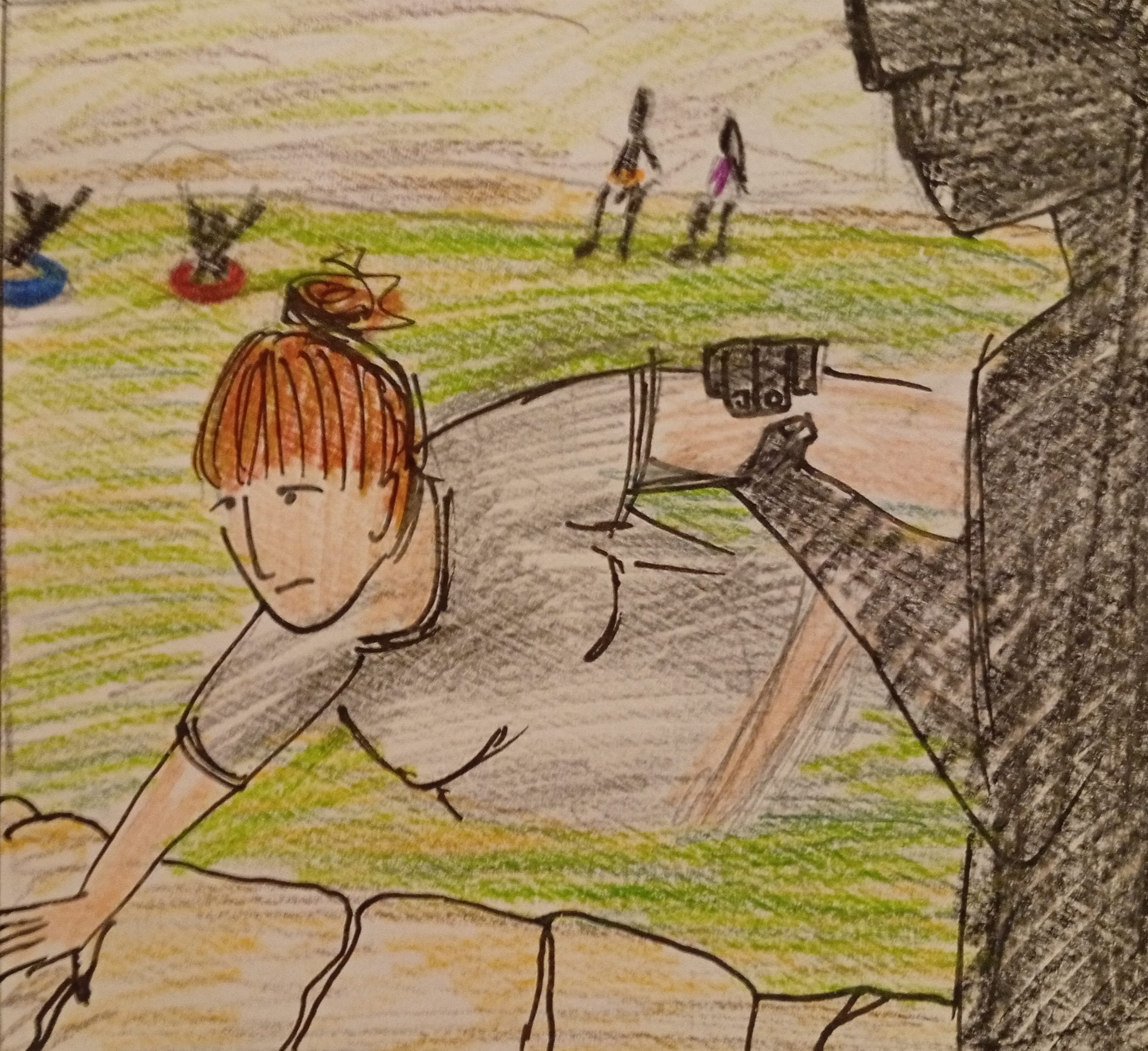
Illustration by Mizmor Watzman
Dear readers,
It’s Purim in Jerusalem, but a subdued one. The Persians woke us up at 6 a.m. with a missile barrage; Israel’s Home Front Command decreed earlier this week that all the traditional communal holiday festivities cannot be held this year. Services at our synagogue, Kehilat Yedidya, just across the street, were canceled, so we heard the Megillah—the Book of Esther—read by neighbors in our building’s bomb shelter last night and this morning.
But the greatest disappointment (or is it relief?) is the cancelation of the performance by our troupe of out-of-tune Purimspielers at the end of the traditional communal Purim feast. Since sometime back in the 1980s I have shouldered the burden of writing the script and some of the song parodies for this annual debacle. This year’s show promised to be a crowning achievement in this regard, but our dress rehearsal last Sunday was canceled because of the war. Perhaps it will never be performed, and will remain among my papers to be discovered decades from now by an appalled biographer.
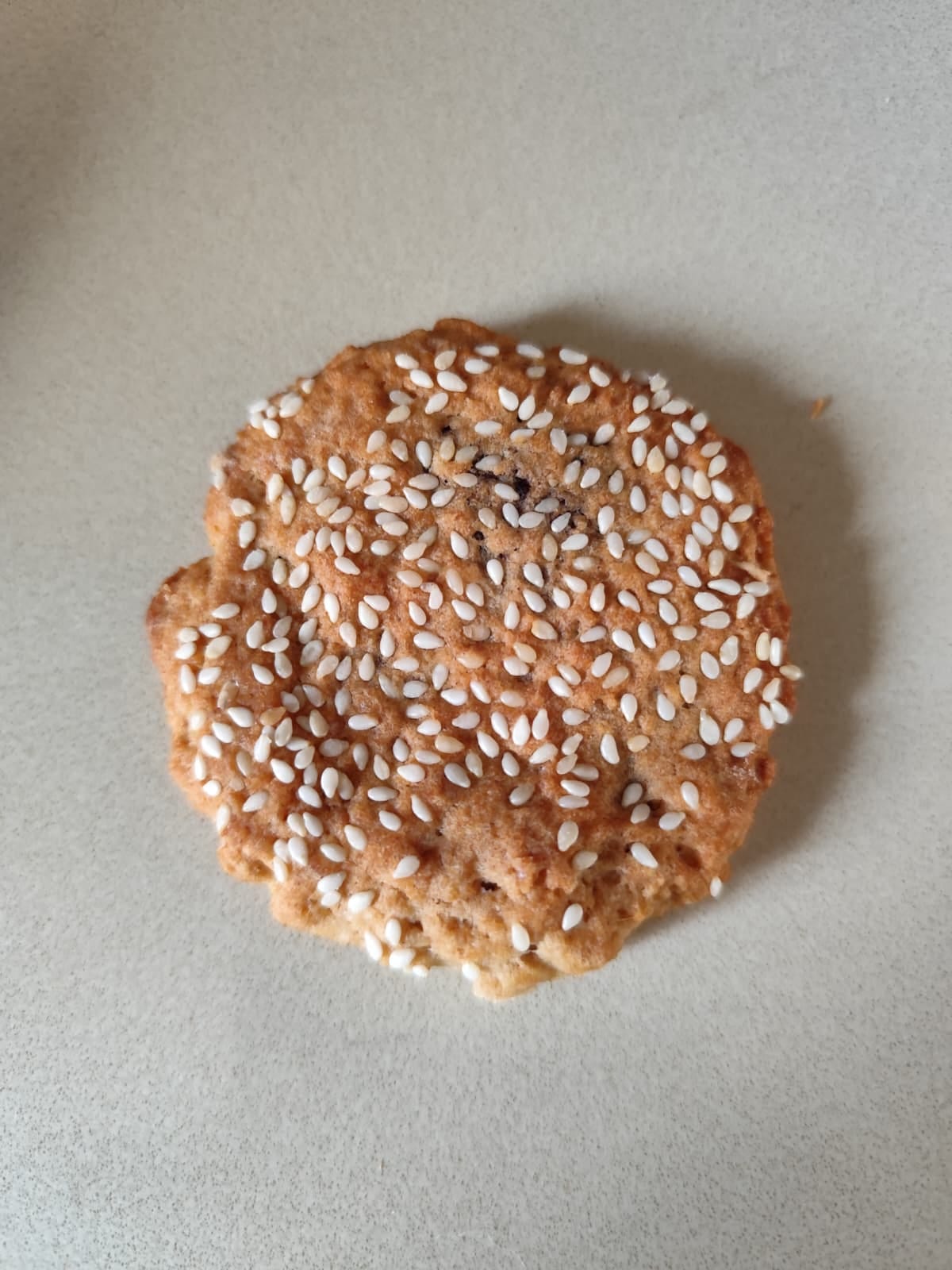
One of the Purim observances is mishloah manot—giving friends and neighbors small deliveries of food to enjoy at their afternoon feast. Starring in our little bags of goodies are ba’ba, the traditional date-filled Iraqi Purim cookie that Ilana bakes each year—they are my absolute favorite. I can’t send you, my readers, any ba’ba, but I can offer a new story, “At the Spring,” which has just been published by The Tel Aviv Review of Books. The illustration is by my talented daughter Mizmor.
This is an English version of a story I wrote in Hebrew nearly a year ago. Here’s the original, “בעין לבן“, for those who want the real thing.
Like my other recent work, “At the Spring” has the current war in its background. Its narrator is a woman who stops, toward the end of a bike ride in the Jerusalem Forest, stops at the Ein Lavan spring. Among the families picnicking and wading in the spring’s two pools there’s a young man and woman, a couple. The man soon leaves his wife and joins the narrator by one of the pools. And therein lies the story.
Reading
I’ve just finished the first volume of The Aesthetics of Resistance, a three-volume novel by the German playwright and novelist Peter Weiss. It was published in the mid-1970s in German but an English translation appeared only thirty years later. I read about it early last year (“Dissidence and Resistance,” by Mitchell Abidor, Los Angeles Review of Books) and was intrigued. Watching Peter Brook’s television version of Weiss’s play Marat/Sade as an early teen was a formative theatrical and literary experience for me. (The film can be rented on several platforms, but it’s blocked here in Israel for whatever reason.)
The unnamed protagonist of The Aesthetics of Resistance is a young Czech-German man from a proletarian family with Communist leanings. It begins in Germany soon after Hitler’s rise to power. He eventually joins the International Brigades in the Spanish Civil War to fight the fascists; Volume 1 ends with the collapse of the resistance and the victory of Franco’s Fascists. Much of the book consists of the protagonist’s conversations and debates over ideology and his wrestling with the conflict between his Marxist-Communist ideals and the bitter reality of Stalin’s purges. One of the ways he thinks these issues through is by viewing and seeking to understand the power of works of art and literature, from the Pergamon Altar to Brecht’s theater to Picasso’s Guernica.
Weiss’s use of didactic political language as a way of telling a human story takes getting used to, but it results in passages of great beauty and emotion. I want to read the rest, but I think I’m going to take a break and read some other things before proceeding with Volume 2.
You’ll be hearing from me again soon. English versions of two other stories will soon be published, and there will also be the English version of my annual dvar Torah for Pesach in memory of my son Niot z”l.
Until then,
Haim